
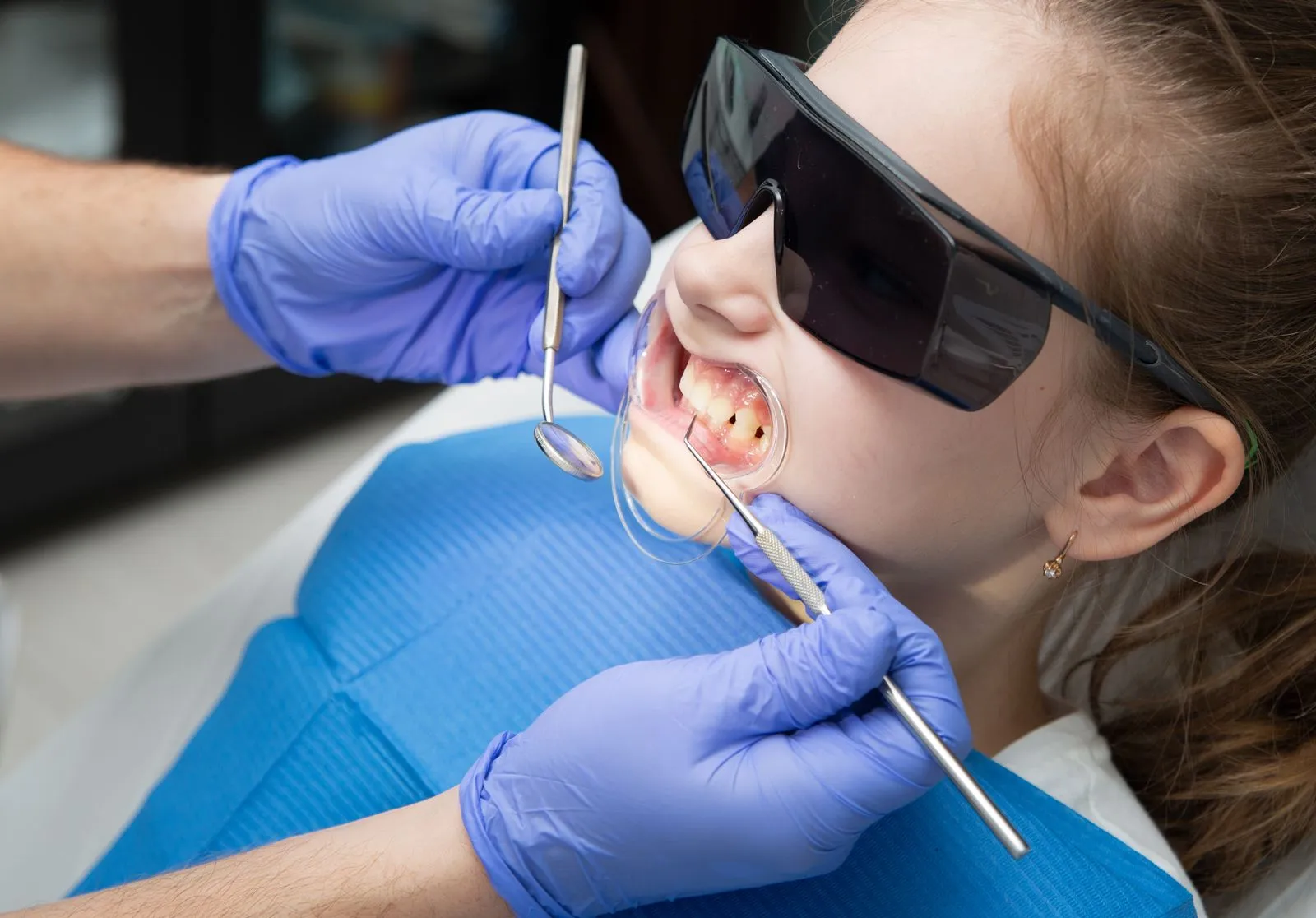
Children’s teeth and jaws change as they grow, so a concern may not be obvious at first. Parents can watch for patterns such as difficulty biting, crowded or widely spaced teeth, or a jaw that seems uneven. These signs do not confirm that treatment is needed, but they can help you know what to ask about. An orthodontic evaluation gives a specialist a chance to assess how the teeth and jaws are developing and whether monitoring or treatment may be appropriate.
Notice How the Teeth Meet
Watch your child bite down gently and notice whether the upper and lower teeth meet comfortably. A pronounced overbite, underbite, or crossbite may be worth discussing, especially if the bite looks uneven or your child often shifts the jaw to bring the teeth together. These observations are useful starting points, not a diagnosis; tooth and jaw relationships can change as a child grows.
Ask whether your child has trouble biting or chewing certain foods, bites the inside of the cheeks, or finds it difficult to close the lips comfortably. Mention when you first noticed the issue and whether it seems to be changing. An orthodontist can examine the bite and explain whether it needs attention now or simply follow-up as development continues.
Look for Spacing and Crowding
Gaps between baby teeth can be part of normal development, while spacing in permanent teeth may have different explanations. Crowding can appear when teeth overlap, twist, or seem to have little room to come in. If a permanent tooth emerges behind or in front of another, note its location and discuss it at your child’s dental or orthodontic visit.
Avoid judging the need for treatment by appearance alone. The size and position of the jaws, the timing of tooth eruption, and the condition of the teeth all matter. Share any concerns about brushing crowded areas, food getting trapped, or changes in spacing. An orthodontist can assess the full picture and explain whether observation, further evaluation, or treatment is appropriate.
Pay Attention to Jaw Development
A jaw that appears noticeably shifted, uneven, or out of line when your child closes their mouth may be worth evaluating. Also mention persistent mouth breathing, difficulty closing the lips at rest, or jaw discomfort. These signs can have many possible causes, so avoid trying to identify the cause yourself; describe what you see and how often it happens.
A family dentist may also point out a developing bite concern or an unusual pattern of tooth eruption. Bring those observations to an orthodontist, along with questions about growth and timing. An evaluation can help clarify whether the jaw relationship appears within expected variation, needs monitoring, or calls for a closer look.
Prepare for the Evaluation
Before the appointment, write down the concerns you have noticed and when they began. Include any difficulty chewing, changes in how the teeth meet, or a tooth that seems slow to emerge. If your child has had dental injuries or previous dental care related to the concern, share that history. Clear details help the orthodontist understand what prompted your visit.
Ask what the examination shows, whether your child’s development should be monitored, and what changes would make an earlier follow-up useful. You can also ask how the orthodontist will keep you informed as teeth and jaws grow. At Naperville Ortho Studio in Naperville, families can discuss these observations with an orthodontic team.
A bite that looks uneven, crowded or widely spaced teeth, and changes in jaw position are all reasonable topics to raise with an orthodontist. Keep track of what you notice, but leave diagnosis and treatment decisions to a professional evaluation. If you have questions about your child’s development, contact an orthodontic office to arrange a conversation.